
Light waves
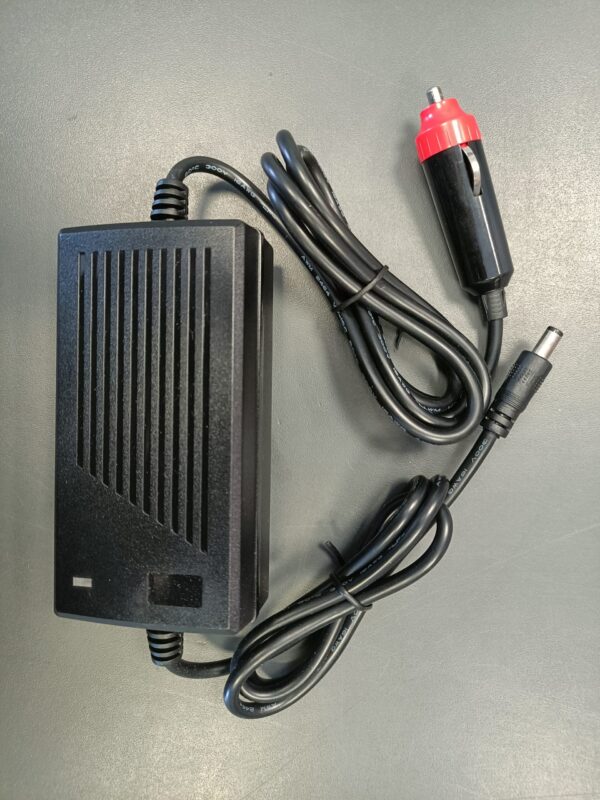
Charger for 1 lamp, power supply from ignition socket. alone. 12V
123,00 zł z VAT, 100,00 zł netto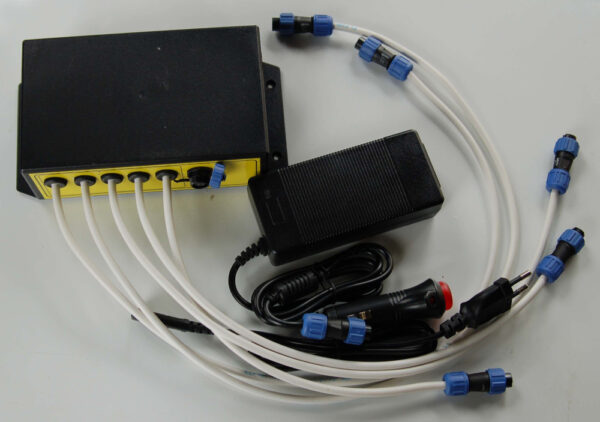
Charger for 5 lamps, power supply from ignition socket. alone. 12V + from the mains 230V
300,00 zł z VAT, 243,90 zł netto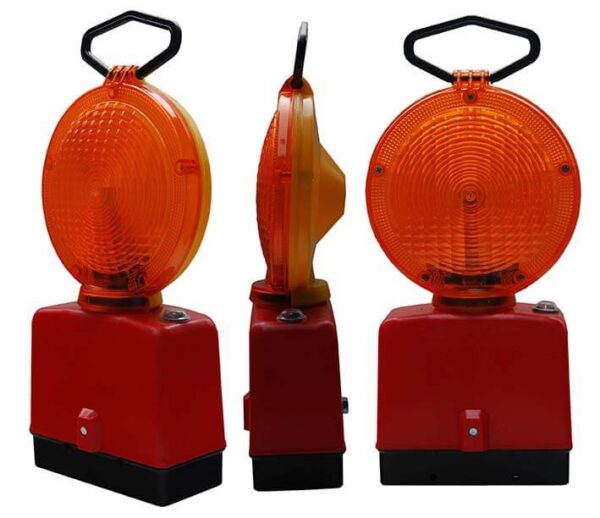
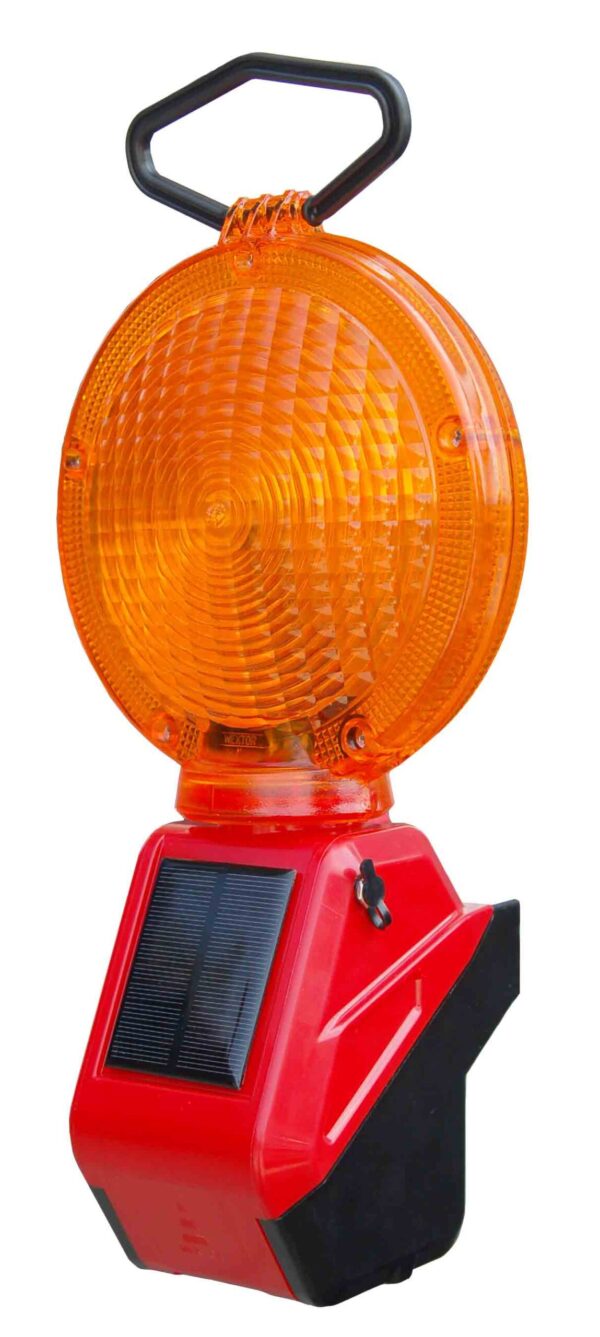
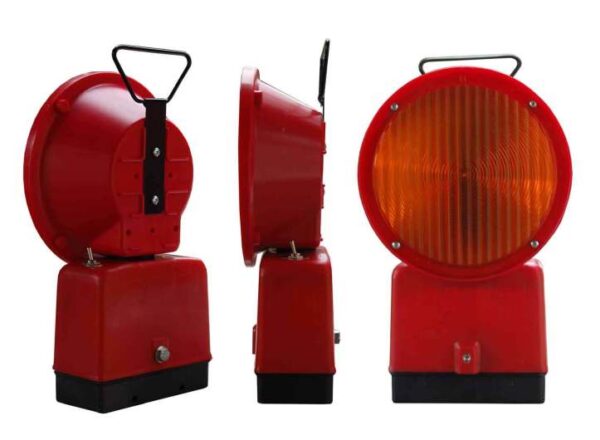
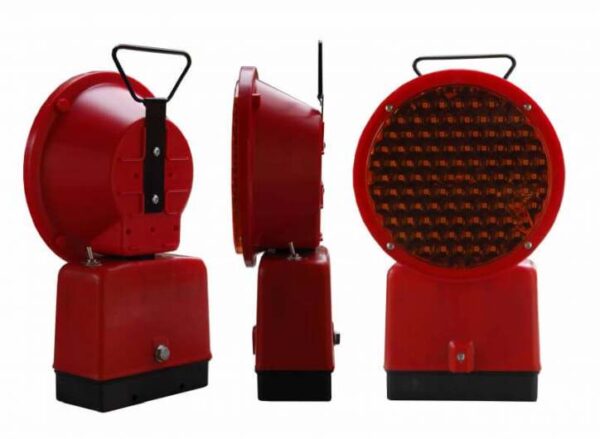
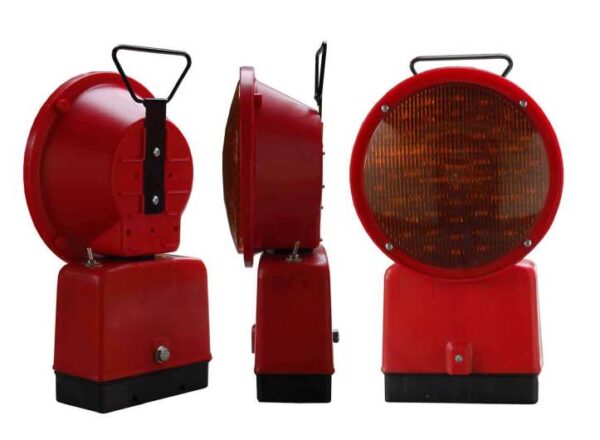
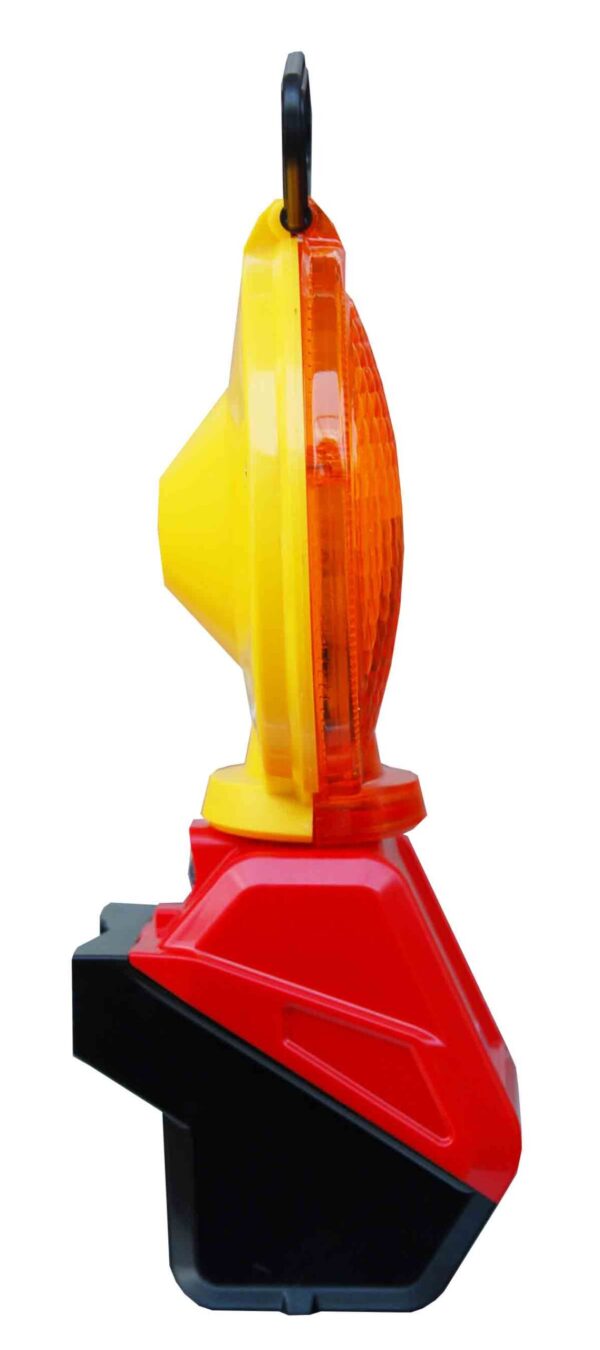
Specificity and Application of Light Waves
Light waves are used to warn vehicle users about changes in traffic flow resulting from roadworks or other disruptions on a specific section of the road. A section of road is partially blocked and traffic is restricted. The light wave signals drivers to safely avoid obstacles and traffic disruptions. The sequence of the illuminated light waves makes it easier to avoid a given location on local roads, expressways, or highways. This is particularly important on sections with heavy traffic. In such cases, setting the light waves is necessary and mandatory. The light wave warning applies to all locations considered dangerous. They are also used on renovation and construction sites. They are included with U 21a and U 21b warning signs.
Types of Light Waves
Different types of light waves are used: detachable, inseparable, and wireless. The first type of light wave is connected by a wire. Each light is equipped with a controller. Any number of lights can be connected together. The order of connection is arbitrary. If one light is damaged, it can be removed from the set. The remaining light waves continue to operate without any problems.
Inseparable light waves operate in a set of 5 lights connected by a wire. Only one light has a controller and controls the entire set.
Wireless light waves, as the name suggests, are not connected by a wire. Each light is turned on and off individually using the ON and OFF buttons. After turning on all the lights in the set, they pulse and create a light wave. The lamps should be synchronized with each other – the first lamp is turned on, then the second, and so on. The whole thing should create a pulsating light wave. Up to 10 lamps can be connected; from the 11th lamp onwards, the pulsating light cycle is the same as that of the first lamp.


