
Shuttle signals
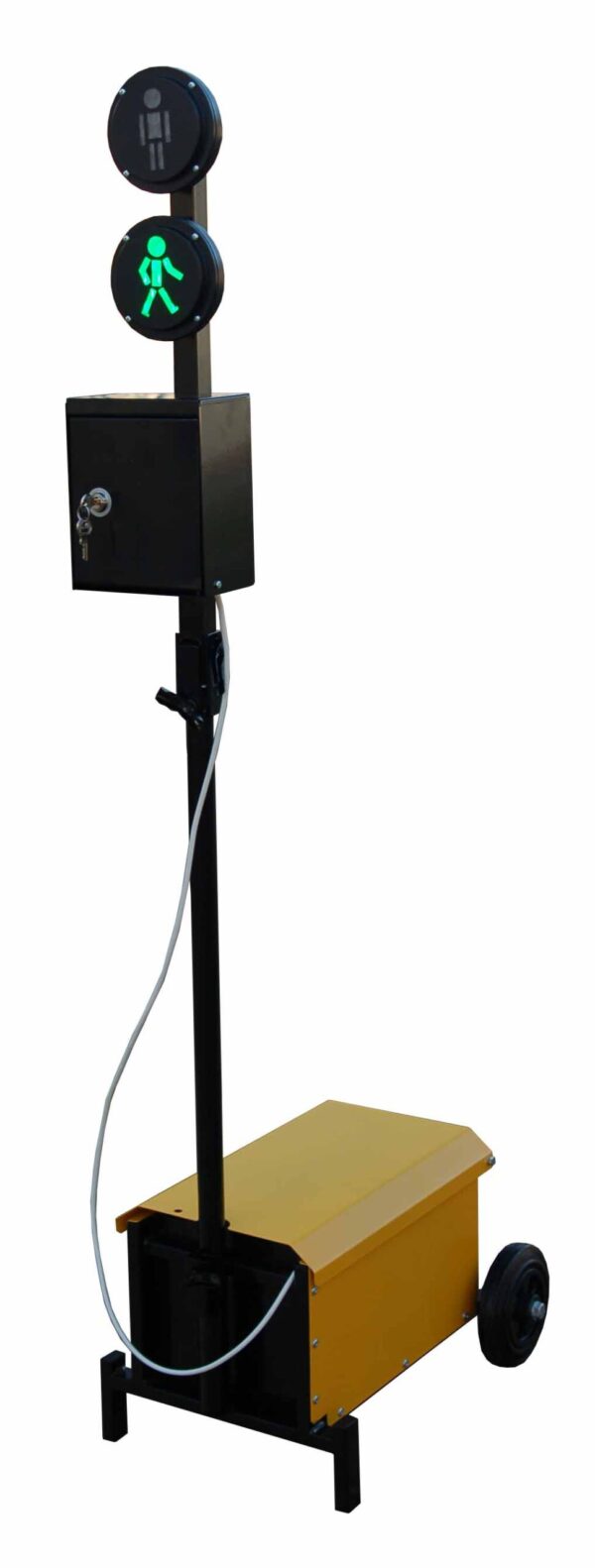
2-chamber pendulum signaling φ100 / ver. Educational
2600,00 zł z VAT, 2113,82 zł netto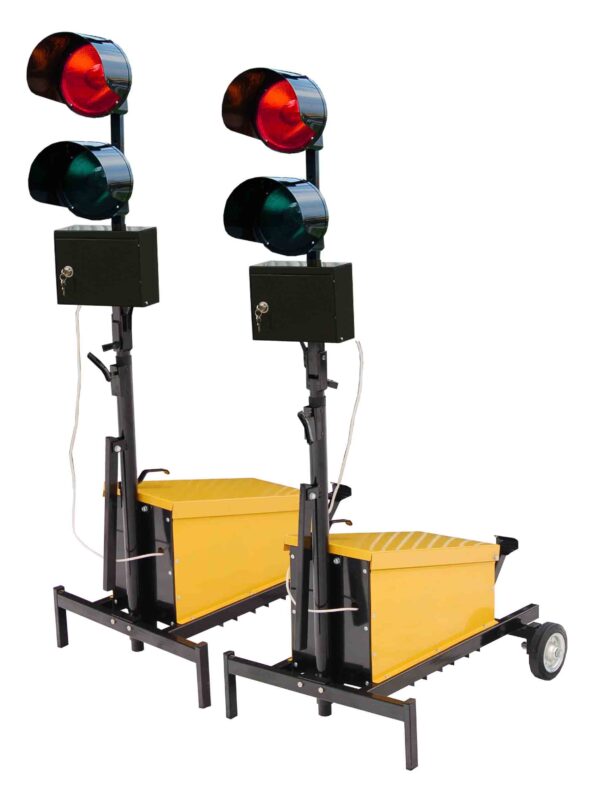
2-chamber shuttle signaling φ200 / ver. Base (%)
Original price was: 5500,00 zł.5000,00 złCurrent price is: 5000,00 zł. z VAT, 4065,04 zł netto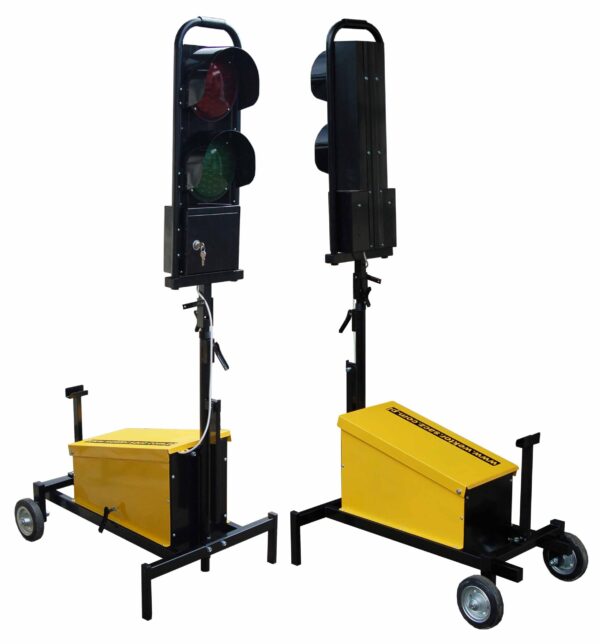
2-chamber shuttle signaling φ200 / ver. Basic
5500,00 zł z VAT, 4471,54 zł netto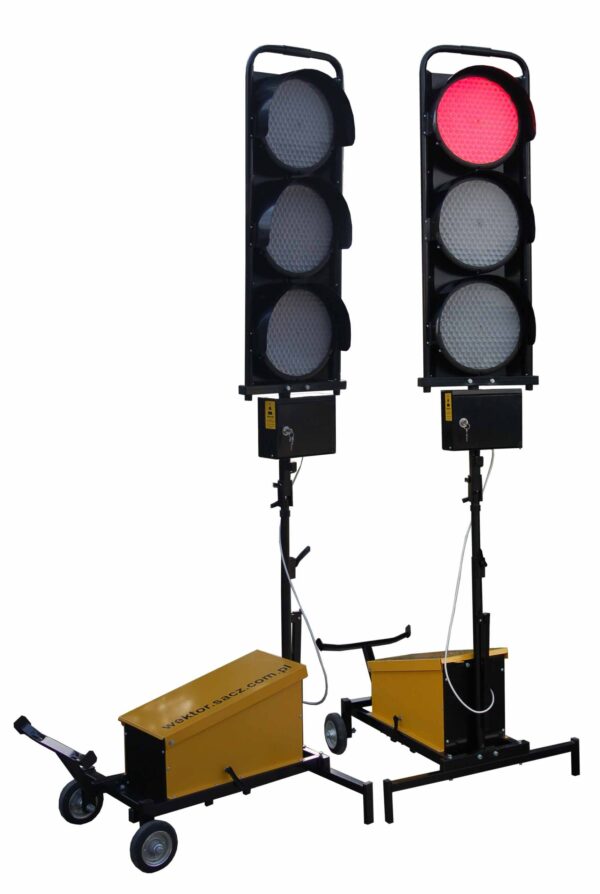
3-chamber pendulum signaling φ 300 / ver. Basic
7000,00 zł z VAT, 5691,06 zł netto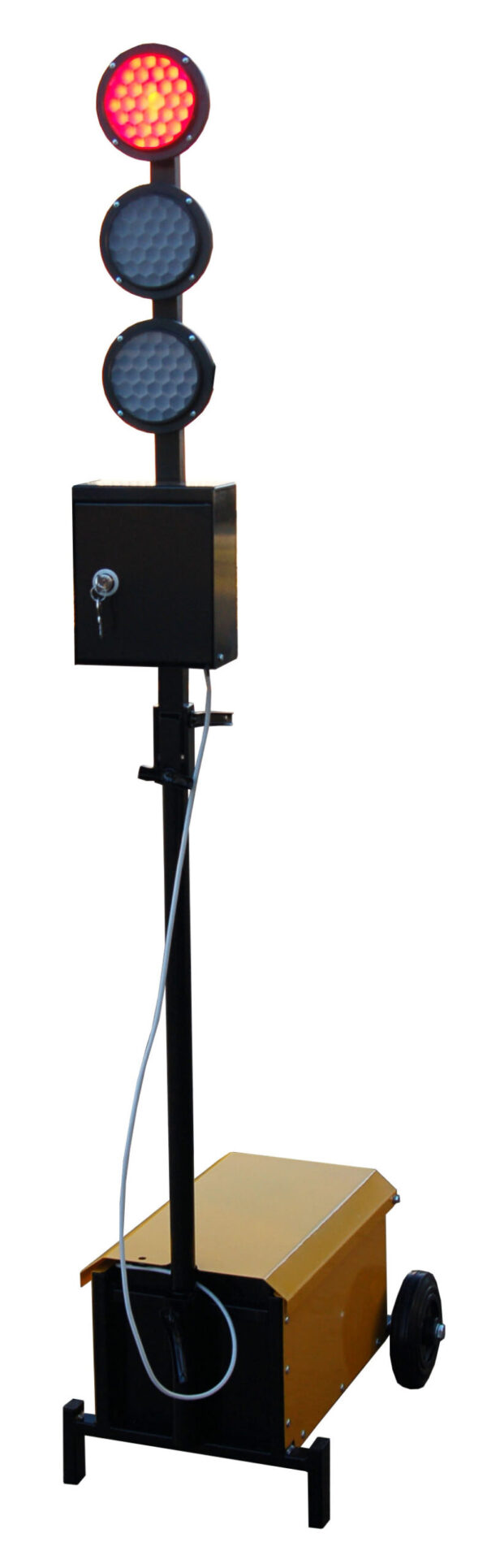
3-chamber pendulum signaling φ100/ver. Educational
2800,00 zł z VAT, 2276,42 zł netto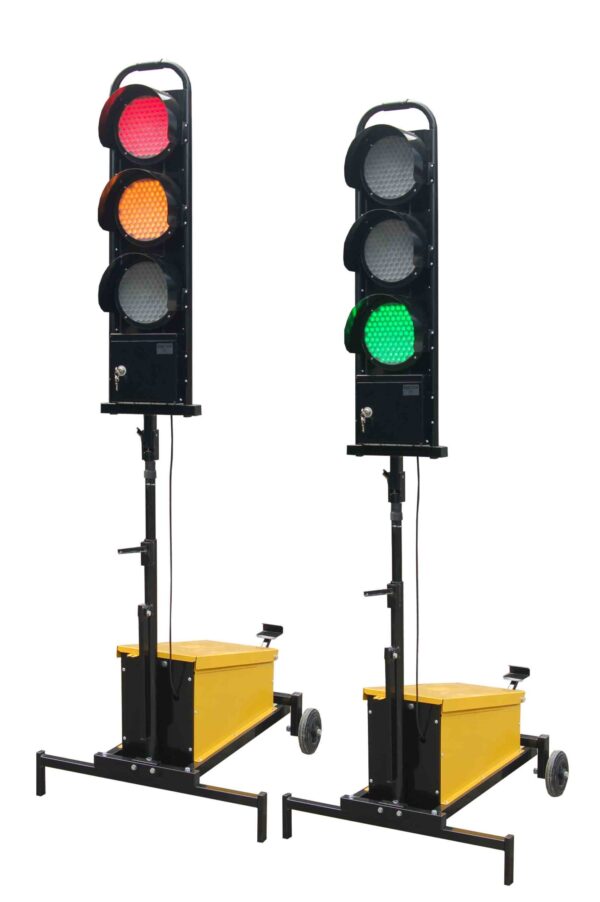
3-chamber pendulum signaling φ200 / ver. Basic / Lens Lampshades
5750,00 zł z VAT, 4674,80 zł netto
3-chamber pendulum signaling φ200 with radio detection and communication / lens lampshades
10000,00 zł z VAT, 8130,08 zł netto3-chamber pendulum signalling φ 300 with detection and radio communication
11000,00 zł z VAT, 8943,09 zł netto
3-chamber φ200 pendulum signalling with radio communication / lens lampshades
7500,00 zł z VAT, 6097,56 zł netto
3-chamber φ300 pendulum signaling with radio communication
8500,00 zł z VAT, 6910,57 zł netto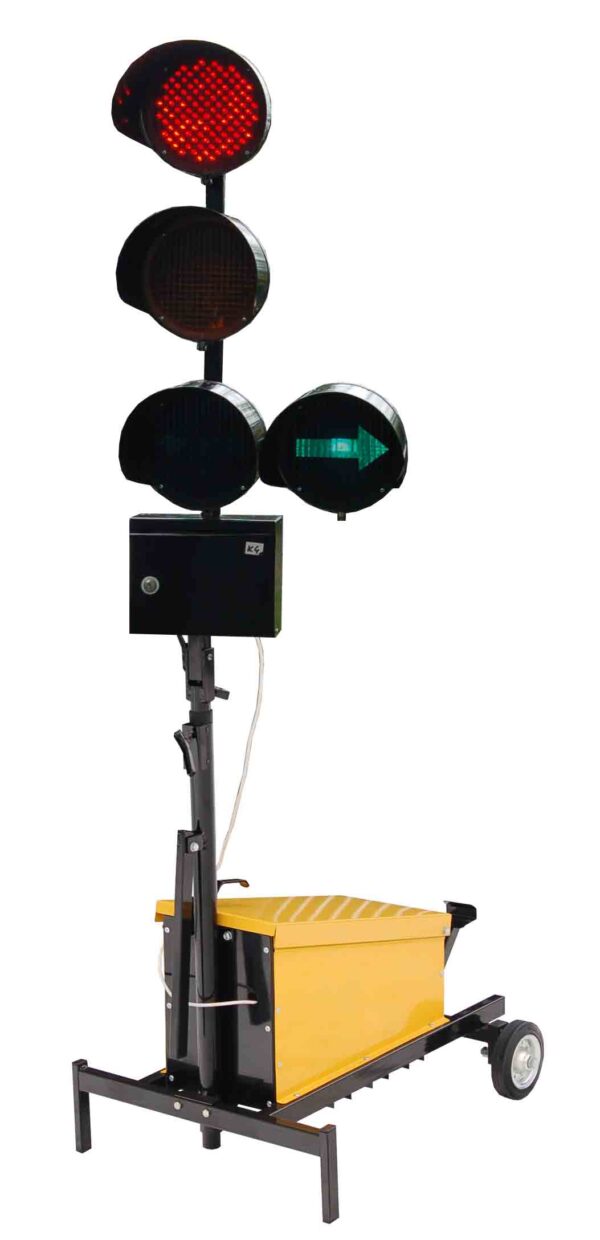
4-chamber pendulum signaling φ200 / ver. Basic
3800,00 zł z VAT, 3089,43 zł netto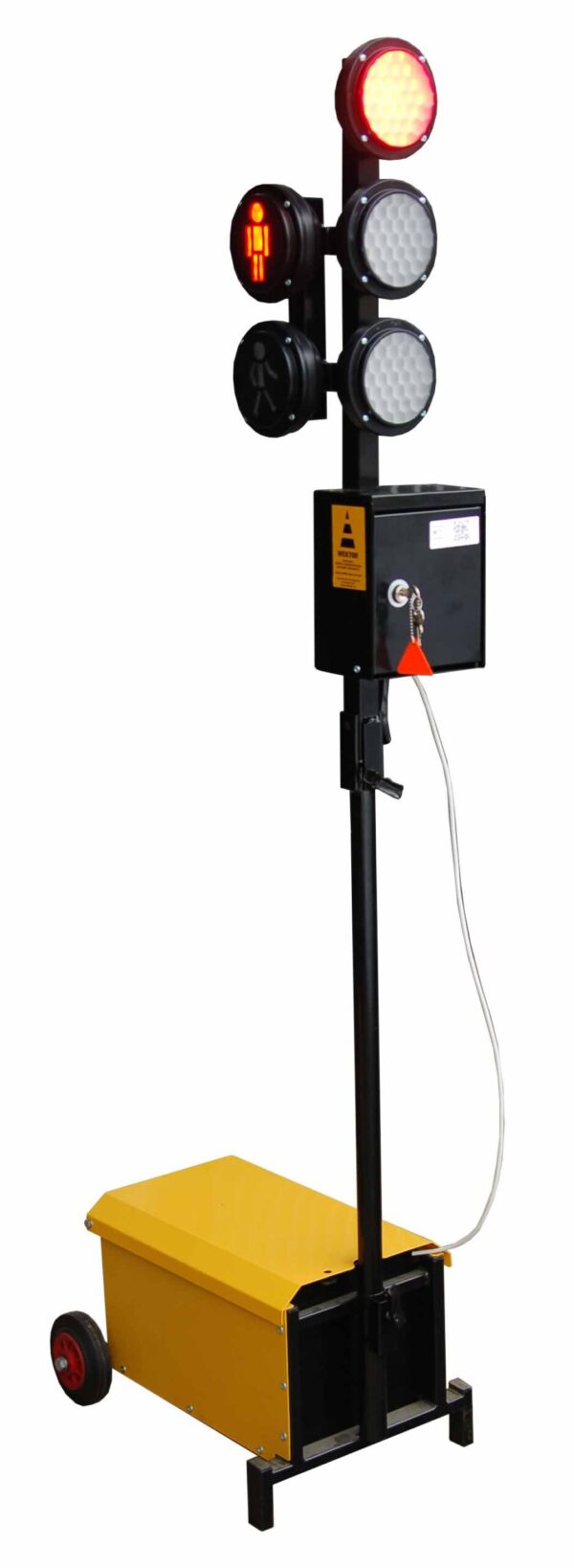
5-chamber pendulum signaling φ100 / ver. Educational
3200,00 zł z VAT, 2601,63 zł nettoThe shuttle traffic light is designed to control vehicle traffic during roadworks. The section of road is narrowed, limited to only one lane. The shuttle traffic light improves vehicle flow in a single lane. Due to roadworks, vehicles could not simultaneously travel in one lane in both directions. Mobile traffic lights used by the road crew improve traffic flow and minimize the risk of collisions or accidents.
The shuttle traffic light set is wireless. It is powered by a 12V battery with a capacity of 120 Ah or greater.
Advantages of using alternating traffic lights
- Improving and controlling traffic on a narrowed road section
- Safe passage of vehicles traveling in two directions, especially when visibility of the opposite end of the narrowed road section is limited
- Controlled passage of vehicles in two directions saves time for drivers and road workers – there is no need to engage them in manually controlling alternating traffic
Technical parameters of alternating traffic lights
The alternating traffic lights are equipped with a robust housing, making them resistant to mechanical damage.
It is equipped with a protective tube running above the lamps, which also serves as a handle for pulling the lights from one location to another.
The presence of a contrast screen improves the visibility of the alternating traffic lights.
The signal can be rotated fully (360 degrees). facilitates optimal equipment placement relative to vehicles entering a narrowed section of road.
Use of Swing Signals
Swing signals are a modern solution in road traffic management that effectively directs vehicles in areas with limited capacity. Swing signals enable smooth and safe movement, minimizing the risk of injuries and congestion. The introduction of such systems contributes to improved road safety and increased travel comfort.
On narrow bridges, tunnels, and during roadworks, swing signals have a key impact on traffic flow. By adapting signal cycles to conditions, the system flexibly manages vehicle flow, which is important in variable traffic volumes. It also works well at multi-lane intersections and in school zones, ensuring the safety of road users. It can be used as a temporary tool during roadworks, always aiming for smooth and safe movement.
Swing signals vs. traditional traffic management methods
Swing signals and manual human traffic control are two methods of traffic management used during road narrowing or roadworks. However, swing signals have several significant advantages over manual control.
Swing signals are primarily automatic and operate according to pre-defined light cycles, allowing for precise traffic control without human intervention. This ensures smooth traffic flow, without interruptions due to errors or fatigue on the part of the traffic controller. This system can operate continuously 24 hours a day, which is particularly beneficial during long-term roadworks. Furthermore, it eliminates risks related to human factors such as inattention or slower reaction times, which in turn translates into greater road safety. Alternating traffic signals are also more predictable for drivers – the light cycles are constant, allowing for better route planning.
On the other hand, manual traffic control offers some flexibility, as a human can react to changing situations like accidents, traffic jams, or increased traffic. However, this flexibility can also be a disadvantage, as the human operator can make mistakes, be inattentive, or be tired, which can lead to delays or even dangerous situations. Manual control also requires the presence of a trained employee, which involves additional costs and the need for constant supervision.


